Trees provide shade, clean air, and aesthetic appeal to local landscapes. Maintaining these towering plants requires specialized knowledge and dedicated care. Without proper attention, urban and suburban canopies suffer from neglect, environmental stress, and structural issues. People in many cases plant saplings with good intentions but lack the biological understanding required for long-term cultivation. The complexities of plant physiology mean that simple watering falls short.
This is where arborists step in to bridge the knowledge gap. These professionals possess a deep understanding of plant biology, soil science, and structural mechanics. Through detailed assessments and targeted interventions, they ensure properties retain vibrant and safe greenery. The work goes beyond simple trimming, encompassing a holistic approach to arboreal well-being. Their interventions prevent minor issues from developing into hazardous situations.
Evaluating Tree Health and Structural Stability
A foundational element of proactive care involves thorough and methodical inspections. Property owners in many cases miss subtle signs of decay hidden within the trunk or high up in the canopy. Professionals look for specific structural defects, such as V-shaped crotches and co-dominant stems. Identifying these mechanical issues in advance prevents catastrophic failures during severe weather events. Regular evaluations establish a necessary baseline of health.
The inspection process includes a visual assessment of the bark, leaves, and overall growth habits. Arborists use specialized tools to check for internal decay without harming the living tissue. They tap trunks with specific mallets to listen for hollow areas that indicate rot. Gathering this internal data allows for an accurate risk assessment, determining whether a specimen poses a danger to nearby structures.
Recognizing the subtle signs of environmental stress constitutes another critical component of the evaluation phase. Drought, pollution, and compacted soil manifest in foliar discoloration, premature leaf drop, and stunted growth. Evaluating the surrounding environment allows for a comprehensive diagnosis rather than a superficial guess. Correcting the underlying environmental factors leads to better recovery than addressing the visible outward symptoms alone.
Once the evaluation concludes, a customized management plan takes shape. This plan outlines necessary interventions, ranging from structural support installation to site-specific soil amendments. Regular monitoring ensures the interventions produce the desired outcomes over the long term. Keeping the landscape safe and robust year after year requires this ongoing commitment. The ultimate goal remains preserving the plant while mitigating surrounding risk.
Supplying Proper Pruning and Canopy Management
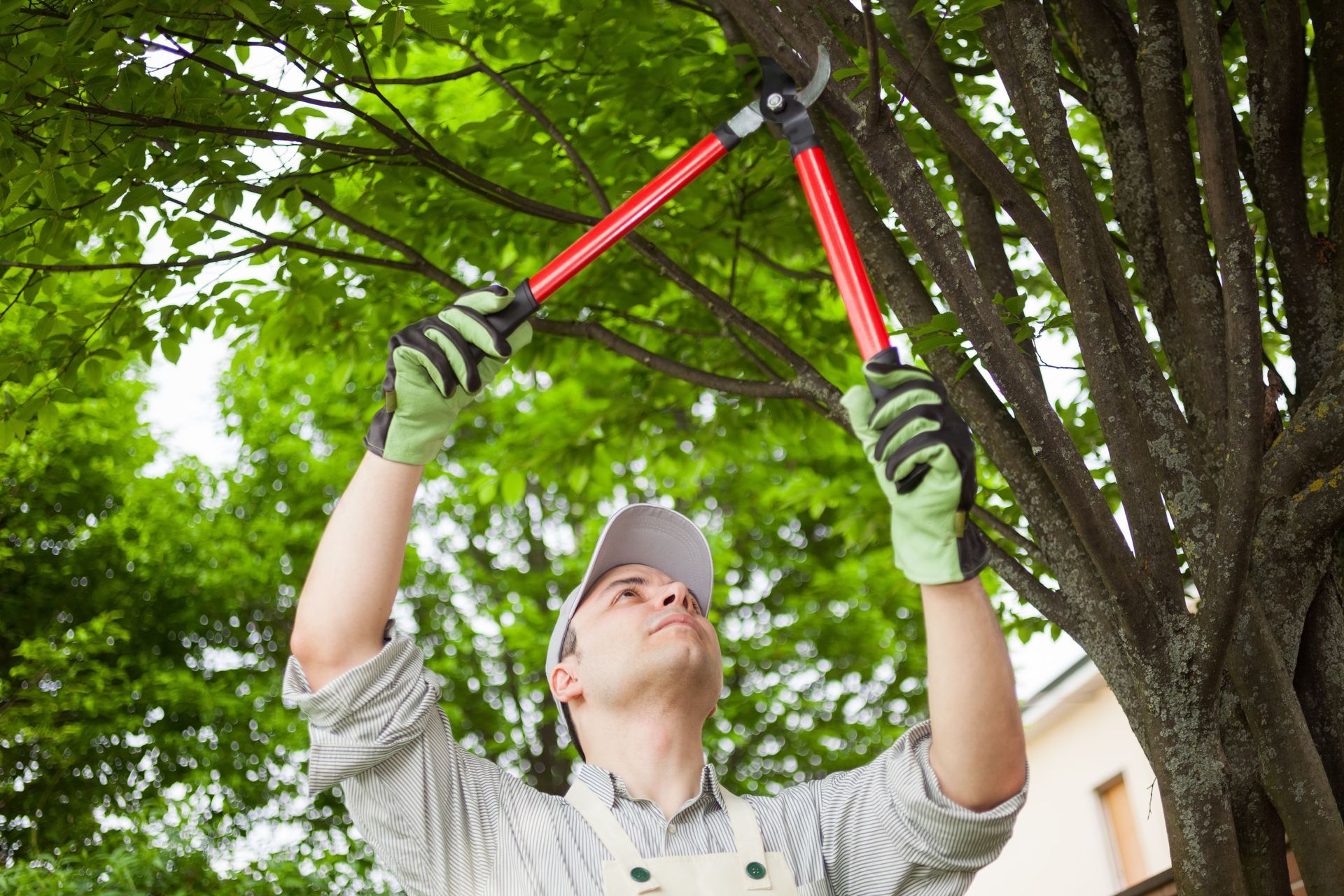
Pruning represents an essential practice for encouraging vigorous growth and maintaining overall structural integrity. Incorrect cutting techniques cause irreversible damage, opening large wounds that invite opportunistic pathogens and wood-boring insects. Strategic branch removal requires an intimate understanding of how distinct species respond to cuts. Each removal directs future growth patterns and affects the overall energy reserves of the plant.
Different species demand specific pruning approaches based on their natural growth habits and mature sizes. According to This Old House, a shade tree has a broad canopy and is typically 50 feet or more in height at maturity. Managing such massive structures requires immense precision and calculated care to prevent sudden branch failure. Improper weight distribution creates dangerous leverage points.
Arborists perform crown thinning to increase light penetration and air movement within the interior foliage. Crown raising removes lower branches to provide necessary clearance for pedestrians and buildings. Crown reduction decreases the overall height or spread, a technique necessary when plants interfere with overhead utility lines. Proper reduction cuts maintain the structural integrity and aesthetic value of the specimen.
Utilizing proper pruning tools and maintaining strict sanitation practices play a vital role in canopy management. Using sharp, well-maintained equipment ensures smooth cuts that the plant can compartmentalize and heal with ease. Disinfecting tools between cuts prevents the spread of devastating vascular diseases from one specimen to another. Careful attention to these fundamental details separates professional canopy management from amateur trimming.
Improving Soil Quality and Root System Vitality
A flourishing canopy relies on a vigorous and expansive underground root system. Urban soils suffer from severe compaction, nutrient depletion, and poor drainage due to construction and foot traffic. These degraded conditions restrict root growth and reduce water infiltration, leading to a slow decline. Addressing underground conditions remains fundamental to overall vitality. The roots require immediate and dedicated attention.
Soil testing provides valuable and actionable insights into pH levels and specific nutrient availability. Based on the laboratory results, arborists apply custom fertilizer blends to correct identified deficiencies. Deep root fertilization delivers essential nutrients straight to the absorbing roots located beneath the surface. This method bypasses the competing turfgrass, ensuring the targeted plant receives the full benefit of the application.
Alleviating soil compaction involves advanced techniques like vertical mulching or radial trenching. Using high-pressure air tools, professionals loosen the dense soil profile without severing or damaging the sensitive fibrous root hairs. This vital aeration process improves oxygen exchange and water percolation, creating a hospitable environment for new root expansion. Healthy root systems require macroscopic pore spaces in the soil to breathe.
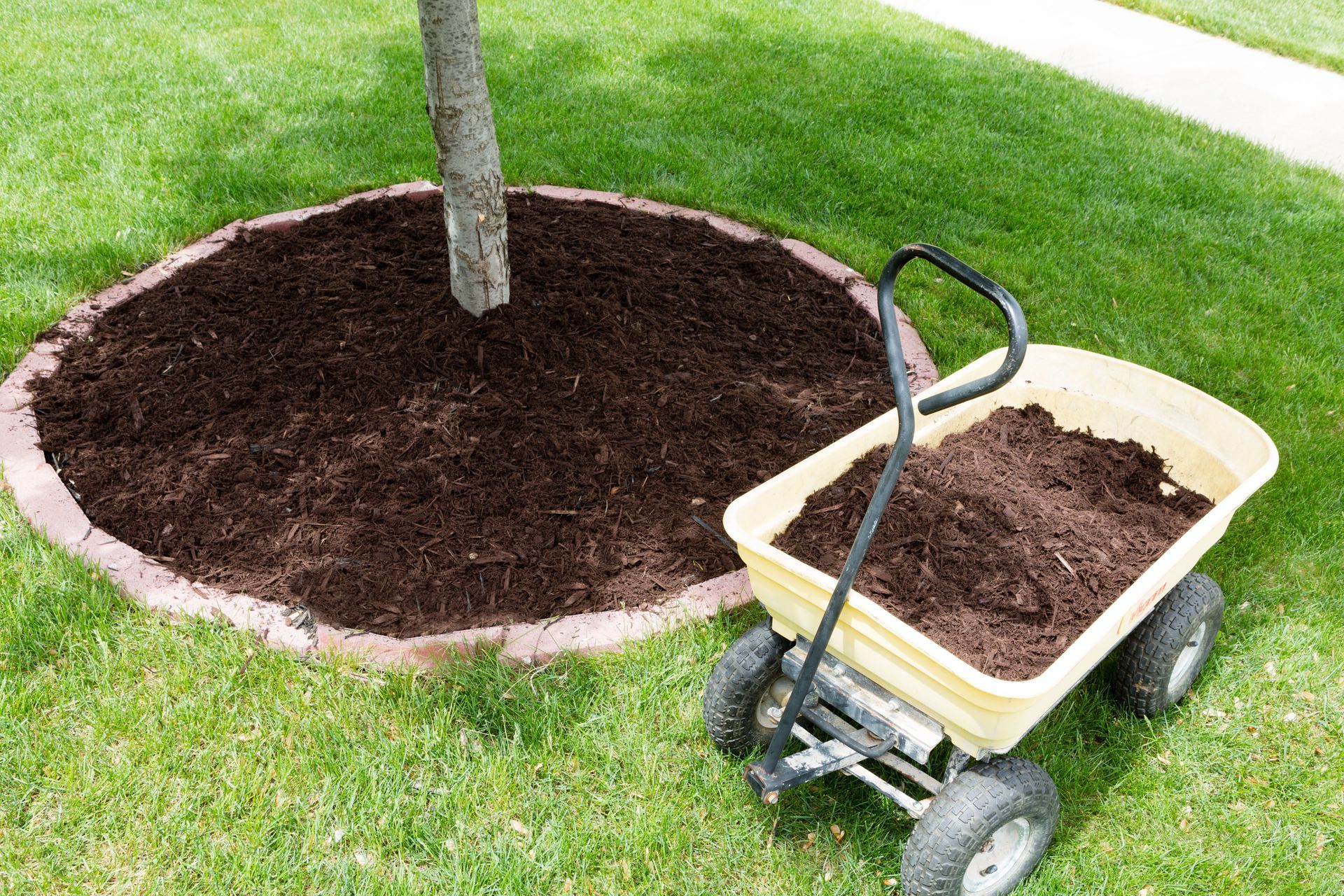
Proper mulching offers immense biological benefits when applied in the correct manner. A broad layer of organic mulch conserves vital soil moisture, regulates extreme temperature fluctuations, and suppresses competing weeds. However, piling mulch against the trunk causes detrimental bark decay and encourages the formation of stem-girdling roots. Maintaining a clear, uncovered space around the root flare remains a critical practice.
Controlling Disease Spread and Pest Infestations
Fungal infections, bacterial blights, and destructive insect populations pose constant threats to landscape plants. Identifying the specific pathogen or pest is the essential initial phase toward effective and responsible mitigation. Misdiagnosis leads to ineffective chemical applications, wasted resources, and continued physiological deterioration. A thorough understanding of local pest populations and common host species expedites the overall diagnostic and treatment process.
Integrated pest management focuses on long-term prevention and minimal ecological impact. This comprehensive strategy combines biological, cultural, and chemical controls to manage pest populations below damaging thresholds. Encouraging natural predators, improving overall site conditions, and using targeted treatments form a robust defense system. The goal centers on maintaining a balanced ecosystem where the host plant can withstand minor feeding pressure.
When chemical intervention becomes an absolute necessity, arborists select the least toxic and most targeted options available. Trunk injections and systemic soil drenches deliver medication straight into the vascular system of the host. This targeted delivery method minimizes environmental exposure, eliminating the need for broad canopy sprays. Keeping the chemical contained within the vascular tissues protects beneficial insects dwelling nearby.
Monitoring seasonal life cycles ensures treatments occur at the most vulnerable and effective stage of the pest's development. Proactive care involves scheduling routine inspections during known high-risk periods throughout the growing season. By staying ahead of major outbreaks, property owners avoid severe and unsightly defoliation events. Preventing extensive vascular damage ensures the plant retains enough stored energy to survive.
The intricate relationship between trees and their surrounding environment demands specialized knowledge for successful long-term cultivation. From mitigating severe soil compaction to executing precise and calculated pruning cuts, every action impacts future viability. Ignoring these foundational biological requirements leads to hazardous conditions and shortened lifespans for valuable landscape assets. Mature canopies represent decades of uninhibited and steady growth.
Investing in professional and dedicated care ensures urban and suburban forests continue to thrive. Dedicated arborists provide the necessary interventions to protect these vital natural resources from numerous environmental and biological threats. Through ongoing assessment and targeted management, they secure the beauty, safety, and immense ecological benefits of mature canopies for future generations. The work requires a commitment. When your landscape needs professional attention, we at Great Alaska Tree Company are ready to help. Contact our dedicated arborists today to schedule a thorough evaluation and ensure your canopy remains safe and healthy.