Maintaining healthy trees can add shade, privacy, beauty, and value to a property. However, trees that become damaged, diseased, or structurally unstable can create serious hazards. When a tree needs to come down, working with experienced professionals can help property owners address the problem safely and efficiently. Choosing local tree removal services can also provide advantages that larger companies may not always offer, including familiarity with local conditions and more personalized service.
Local professionals often understand the tree species, weather patterns, soil conditions, and common property challenges in the communities they serve. This knowledge can help them assess individual trees more effectively. A local company may also be easier to contact when questions or concerns arise before or after the project.
Another benefit is the opportunity to develop a direct relationship with the people performing the work. Rather than treating every property as another stop on a large service route, local tree removal professionals may take more time to understand the property's layout, nearby structures, landscaping, and specific concerns.
What Are the Signs You Need a Tree Removal Service?
Not every damaged or unhealthy tree needs to be removed. In some cases, pruning, cabling, or other tree-care techniques can address a problem. However, certain warning signs can indicate that removal may be necessary.
Dead branches are one potential concern, particularly when they are large or positioned over driveways, sidewalks, homes, or other areas where people regularly travel. Large cracks in the trunk or major limbs can also indicate structural problems. Cavities, extensive decay, fungal growth, and visible damage to the root system may be additional reasons to have a tree professionally evaluated.
Leaning trees deserve particular attention. A tree that has gradually developed a noticeable lean may not necessarily be dangerous, but a sudden change in its angle can indicate root failure or other structural instability. Trees damaged by high winds, lightning, heavy snow, or ice should also be inspected before property owners assume they are safe.
Sometimes the issue is not the tree's health but its location. Roots can interfere with structures, utilities, driveways, or other infrastructure. When a tree presents a significant and unavoidable hazard, local tree removal can eliminate the immediate risk while allowing the property owner to consider safer landscaping options.
How Do Local Tree Removal Services Ensure Safety?
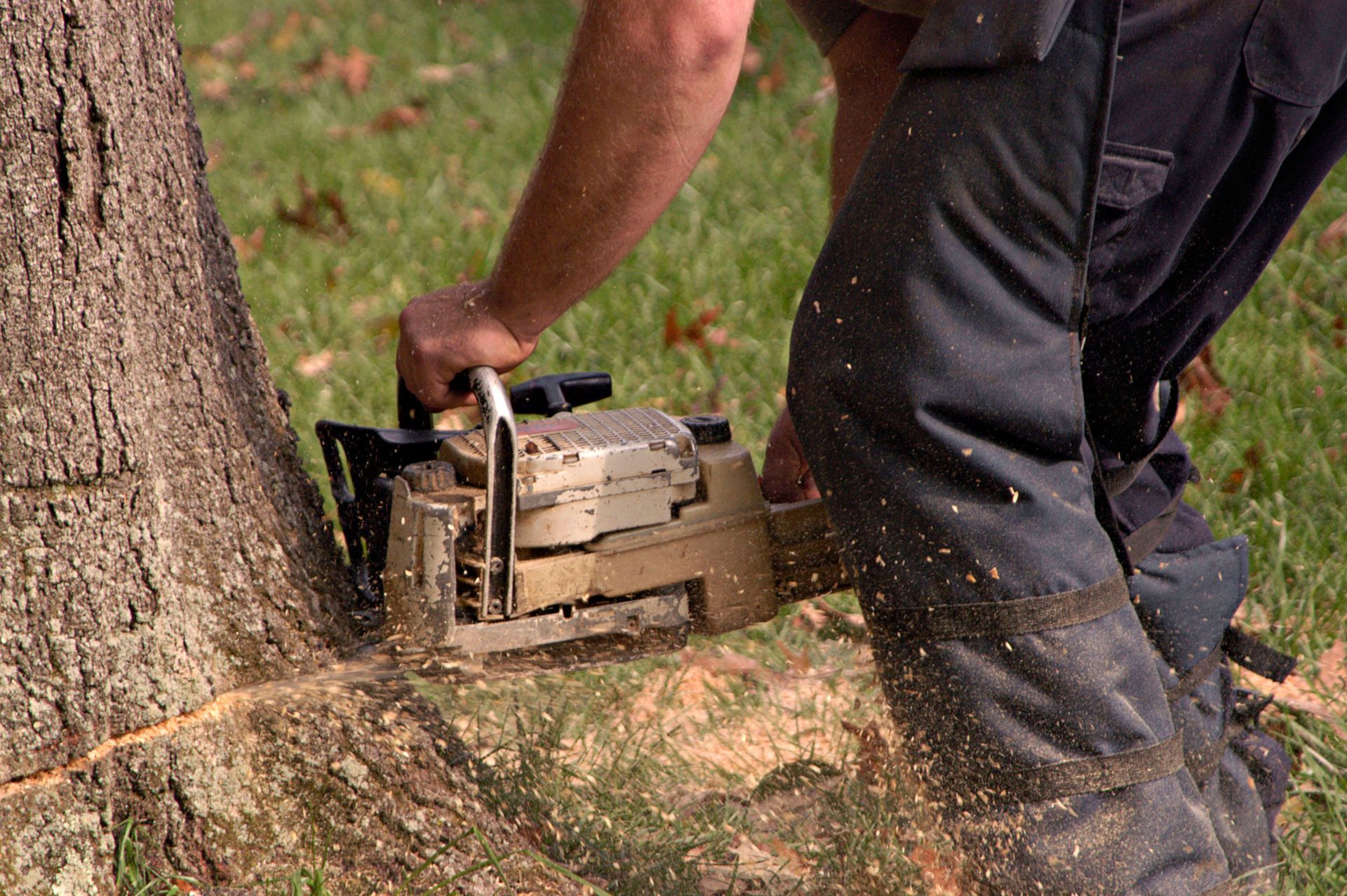
Tree removal is considerably more complicated than simply cutting through a trunk. A falling tree can damage buildings, vehicles, fences, utility lines, landscaping, and other property if its direction is not carefully controlled. Professional crews therefore evaluate the tree and its surroundings before beginning work.
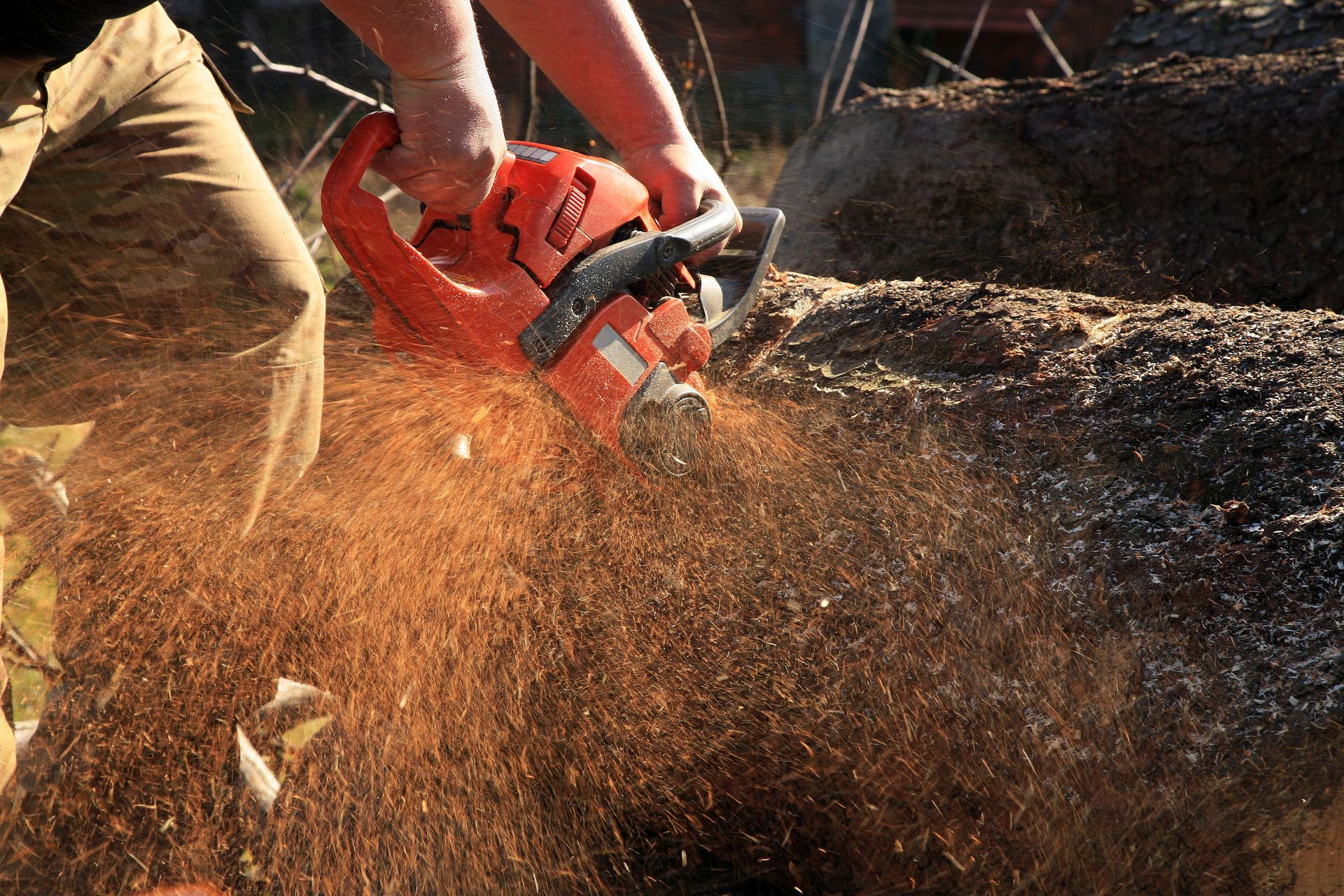
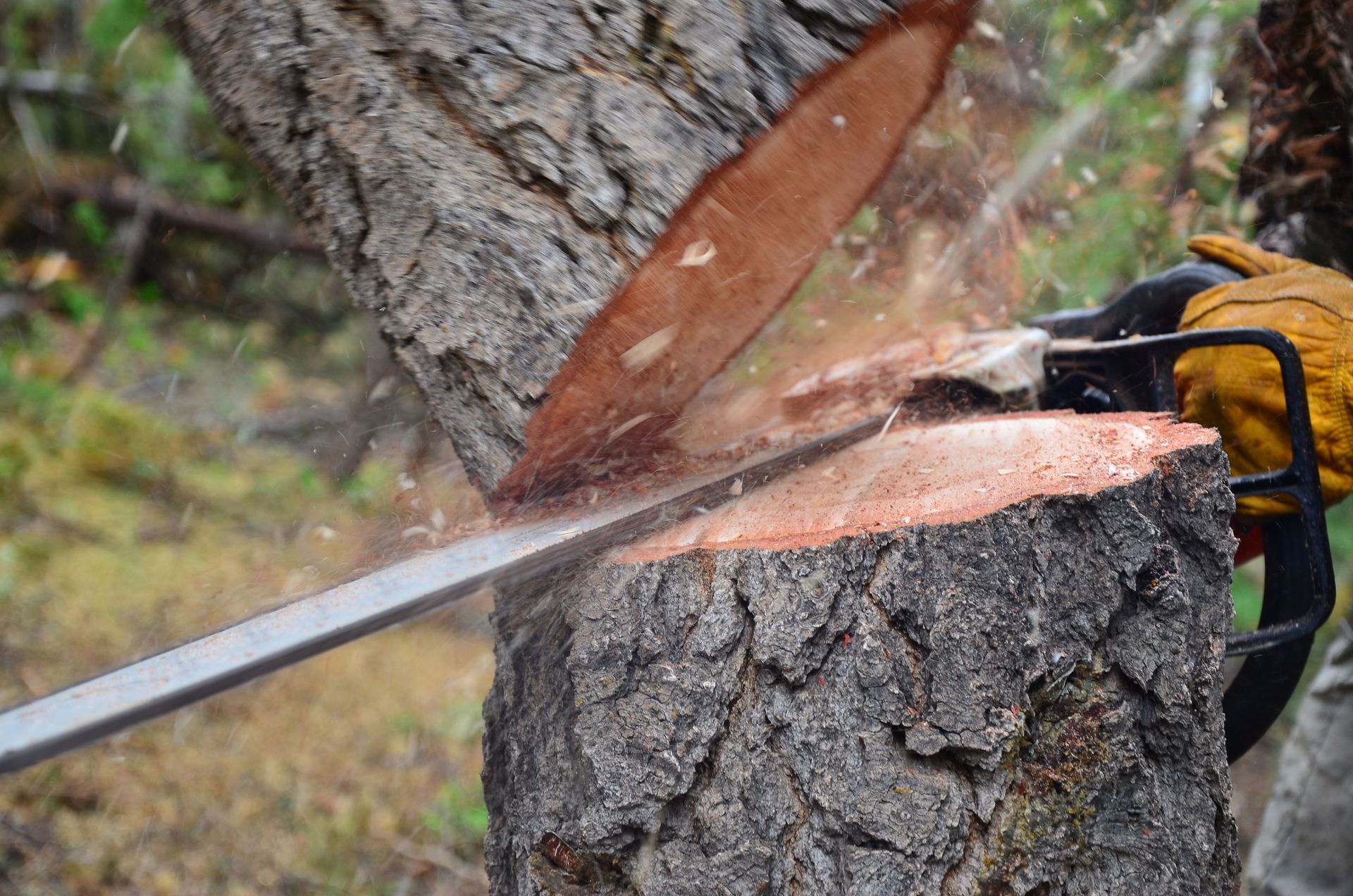
A typical assessment considers the tree's height, lean, branch structure, condition, surrounding obstacles, and potential fall paths. Professionals may also determine whether specialized equipment is necessary. Depending on the property and tree, equipment can include ropes, harnesses, chainsaws, chippers, lifts, and other tools designed for controlled removal.
Experienced crews also establish work zones to keep bystanders away from falling limbs, equipment, and debris. When trees are located near power lines or structures, additional precautions may be necessary. Some removals require workers to dismantle the tree in sections rather than allowing the entire tree to fall at once.
Local tree removal professionals can also help property owners recognize hazards that may not be obvious from ground level. What appears to be a healthy tree can have internal decay, compromised roots, or weakened limbs. Professional evaluation can help determine whether removal is appropriate and what approach will minimize risk.
What Are the Costs Involved in Local Tree Removal?
The price of tree removal can vary substantially from one property to another. There is no universal rate because the complexity of the work can differ considerably even between two trees of similar size.
Tree height is one important factor. Taller trees generally require more equipment, labor, and planning than smaller trees. Trunk diameter, the number and size of branches, and the tree's overall condition can also affect the amount of work involved.
Location is another major consideration. A tree standing in an open yard may be relatively straightforward to remove, while one positioned between a house, garage, fence, and utility line can require considerably more careful dismantling. Limited access for trucks or equipment can further increase labor requirements.
Property owners should also ask what is included in an estimate. Some companies include hauling away branches, chipping debris, and cutting the remaining trunk into manageable sections, while others may charge separately for stump grinding or additional cleanup.
Obtaining a detailed estimate before work begins can make the cost easier to understand. A reputable local tree removal company should be able to explain the factors affecting the price rather than providing an unexplained figure.
How Do Local Tree Removal Services Contribute to Environmental Conservation?
Removing a hazardous tree does not have to mean abandoning environmentally responsible landscaping. Professional tree companies can take steps to reduce waste and help property owners maintain a healthy landscape after removal.
Wood from removed trees may be chipped into mulch or processed for other uses instead of being sent directly to a landfill. Depending on the species and condition of the wood, larger pieces may also have potential uses as firewood, lumber, or other materials. Property owners can ask their tree-care provider how removed material will be handled.
Responsible tree care also means recognizing that removal should not automatically be the first solution. When a tree can safely remain through pruning, structural support, or other treatments, preserving it can be preferable to removing it. A professional assessment can help distinguish between a manageable tree-care problem and a genuine safety concern.
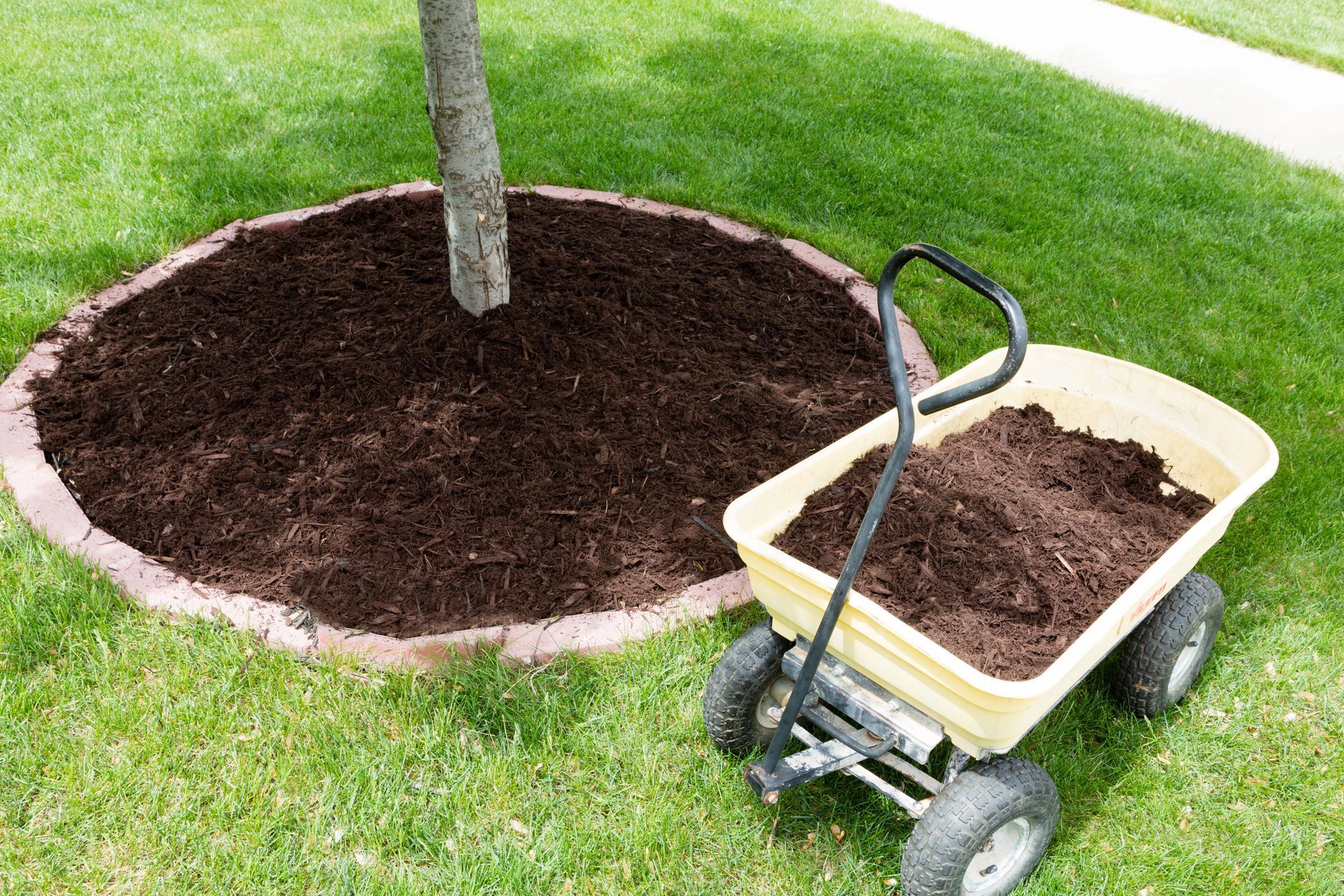
After local tree removal, replanting can also help maintain the benefits trees provide. Selecting a species suited to the property's soil, available space, and climate can improve the chances of long-term success. Proper planting and early care are especially important for young trees. According to Bob Vila, a home improvement resource, the planting hole around a newly planted tree should be covered with about one to three inches of mulch. This can help establish appropriate conditions around the young tree while avoiding excessive mulch.
Replacing a hazardous tree with an appropriate species can therefore be part of a broader landscape-management strategy rather than simply an endpoint.
Maintaining A Safer Property With Professional Tree Care
Trees are valuable features of residential and commercial properties, but they require attention when their condition or location creates a potential hazard. Recognizing warning signs early can give property owners more opportunities to address problems before they become emergencies.
Local tree removal services can provide professional assessments, specialized equipment, controlled removal, and cleanup while accounting for the unique conditions of each property. Local knowledge can also make communication and ongoing tree care more convenient.
Property owners should consider the tree's condition, location, surrounding structures, and potential risks when deciding whether removal is necessary. They should also ask about pricing, cleanup, disposal, and options for preserving or replacing trees when appropriate.
With careful planning and professional assistance,
local tree removal can be one part of a responsible property-maintenance strategy. Removing an unsafe tree protects people and structures, while thoughtful replacement and continued tree care can help preserve the environmental and aesthetic benefits of trees for years to come. If you're looking for reliable tree services, reach out to the dedicated team at Great Alaska Tree Company today!