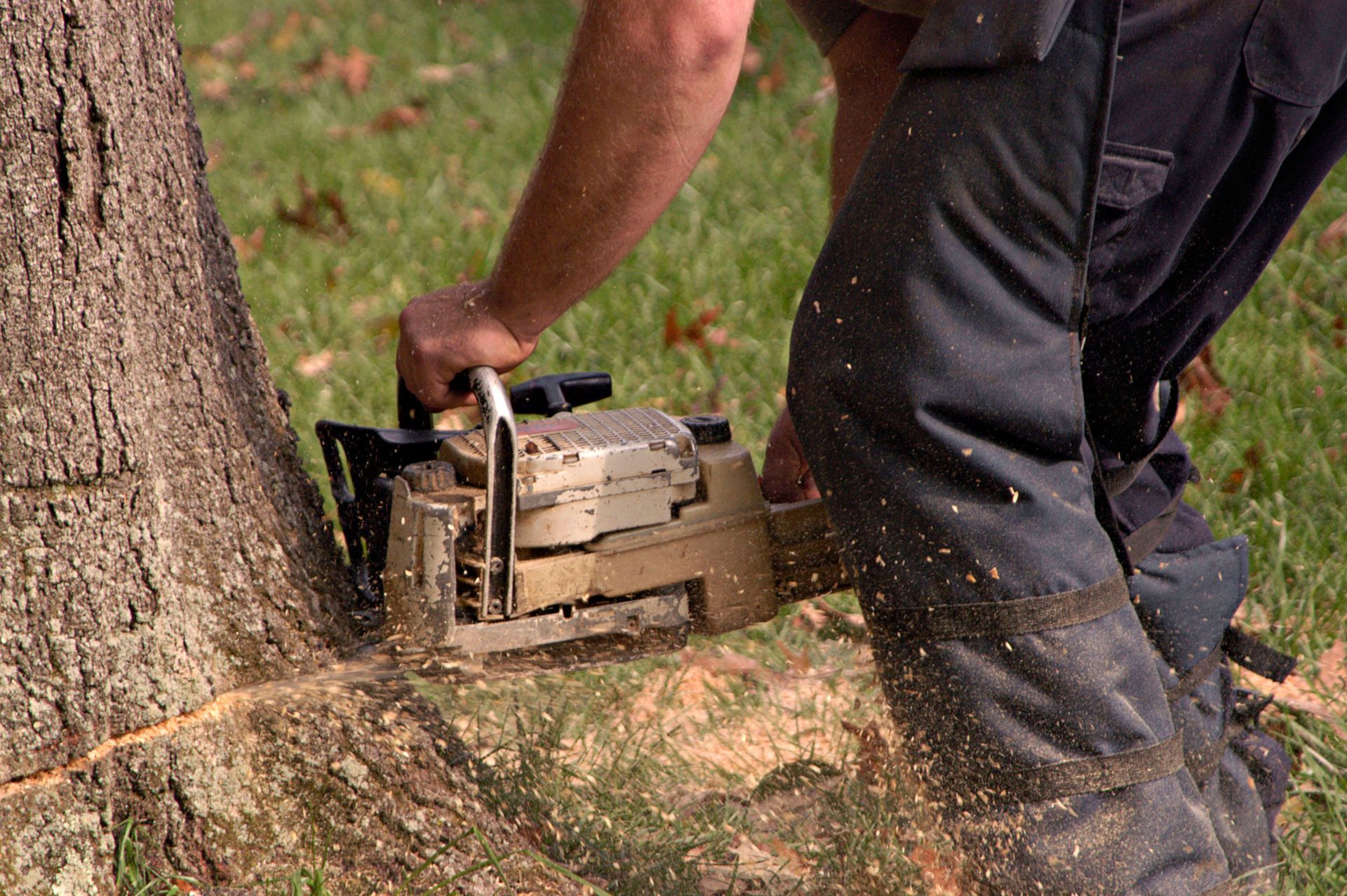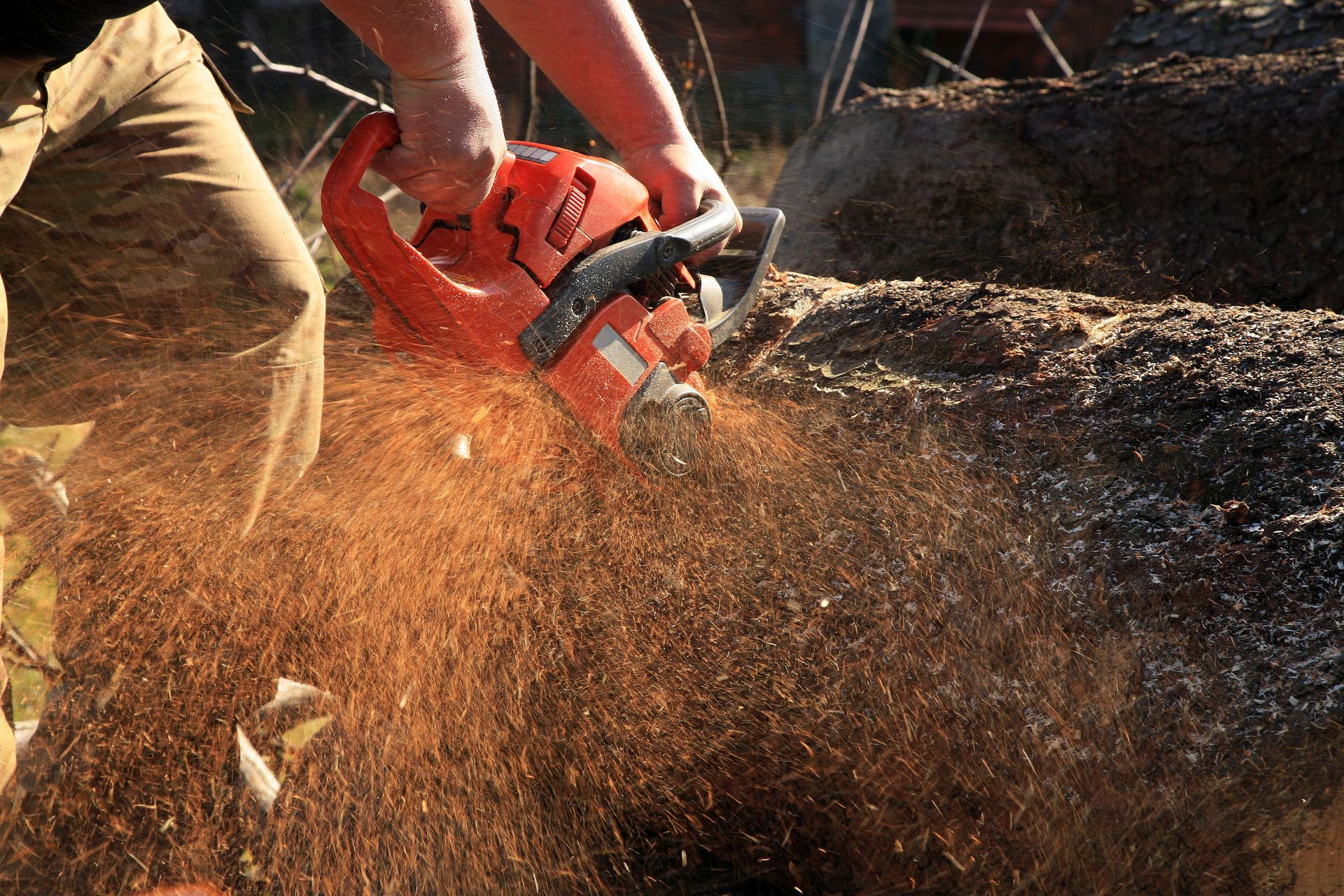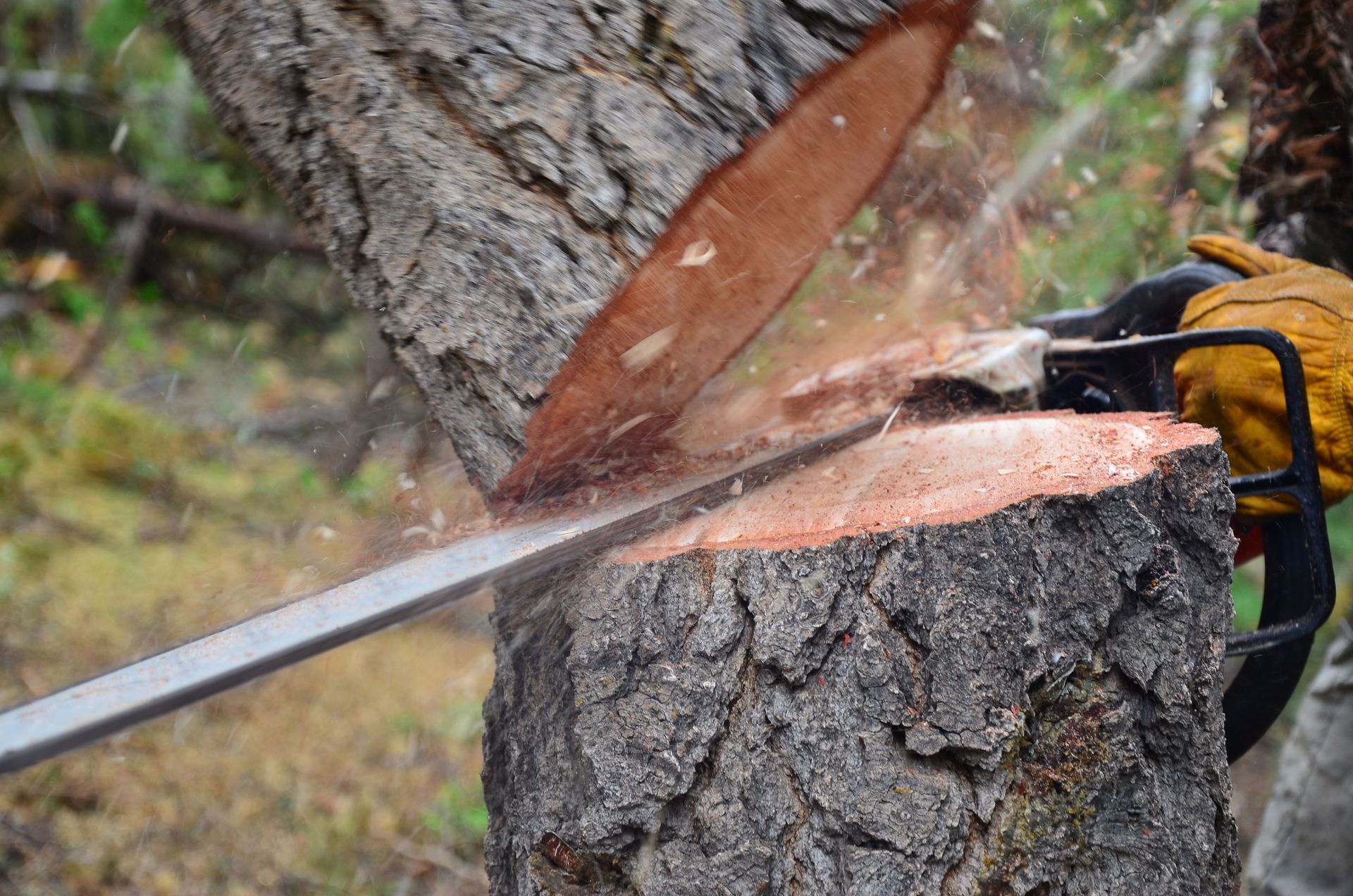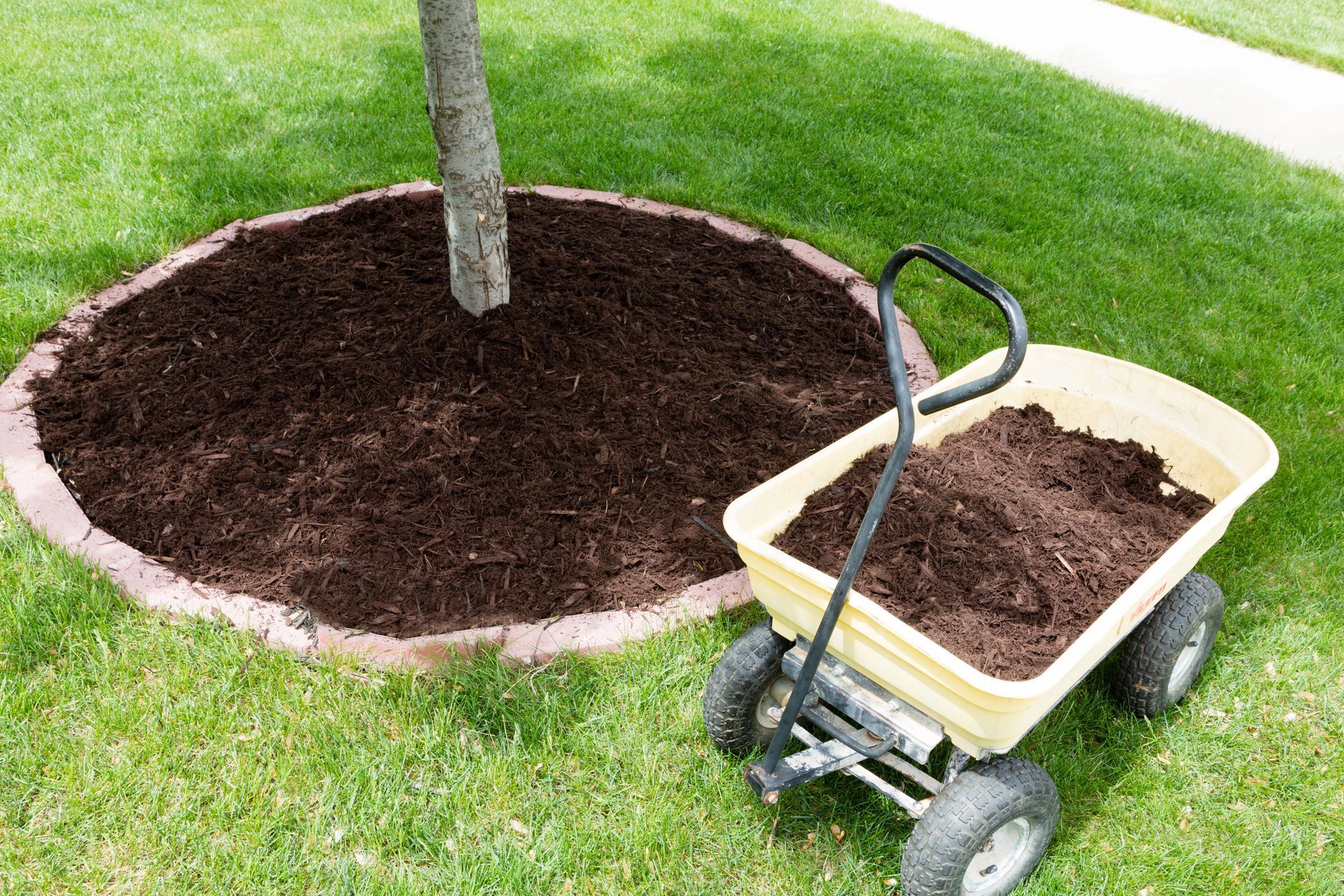
Evaluating the state of the landscaping on your property often involves making difficult decisions about mature plants. Trees are an integral part of the natural landscape, providing benefits such as shade, beauty, and air quality improvement. However, there are times when a tree's presence may become a liability rather than an asset. Here are just some of the various scenarios where a professional tree removal service may be necessary, and a few tips for recognizing signs, understanding costs, and selecting professional services.
Tree removal is a critical process that should not be undertaken lightly. Ensuring the safety of your property and personal well-being necessitates knowing when and why to remove a tree. By the end of this article, you will have a comprehensive understanding of the factors involved in deciding if it's time for a professional intervention. We will delve into signs indicating removal necessity, cost assessments, choice of service providers, environmental impacts, timing considerations, and legal responsibilities.
Identifying Signs of Decline and Damage
Physical damage to a tree is often the earliest sign that removal may be necessary. Common damage indicators include large cracks or splits in the trunk, which could compromise the structural integrity of the plant. Missing bark or limbs can suggest that the specimen has suffered significant stress or injury. Leaning is another red flag; a tree that suddenly tilts after a storm may have root damage or instability. Regular inspection can catch these issues early, ensuring timely action before the tree poses a hazard to your home or family.
A tree's health is a crucial determinant of whether it should be removed. Signs of disease such as fungal growths, discolored leaves or bark, and dead branches indicate that the tree may be dying. Pest infestations also compromise health; invasive species like the emerald ash borer can decimate certain species rapidly. According to the University of Maryland, a tree should be considered for removal if one-third of its interior is hollow or rotten. A healthy tree contributes to the ecosystem, but an ailing one could be detrimental.
Assessing the Cost Factors Involved
Several factors influence how much you can expect to pay for a tree removal service. The size of the tree is a primary cost determinant, with larger trees generally costing more to remove safely. Location is another significant factor, especially if the specimen is difficult to access or poses logistical challenges. The tree's condition also affects potential complexity and risk, influencing the final price. Understanding these elements allows for more accurate budget planning before you hire a team.
To ensure competitive and fair pricing, obtaining multiple quotes from different providers is essential. This process involves inviting multiple companies to perform evaluations, after which they will provide price estimates based on their observations. Comprehensive quotes typically detail the tasks involved, from cutting to site cleanup and any additional options. Take the time to read each quote carefully, comparing not only costs but also the entire scope of work. Having a clear understanding of what is included helps avoid unexpected expenses on your final invoice.
Selecting the Right Professionals for the Job
Finding a reliable company begins with thorough research. Online directories, social media, and word-of-mouth recommendations can provide valuable insights into available providers. Seek companies with a professional website that outlines their qualifications, credentials, and contact information. Additional verifications such as checking for complaints or history with the Better Business Bureau can further inform your final decision. Comprehensive research provides a solid foundation for choosing the most appropriate provider for your needs. Gathering background details from multiple platforms empowers you to separate industry experts from unverified contractors.
When it comes to tree removal service options, professionals with the right credentials are essential for a job well done. Certification from recognized arboricultural organizations showcases a company's commitment to industry standards and practices. Verifying the existence of licenses and insurance protects you from liabilities and unprofessional work. Ensure that the professionals handling your property have the necessary training and expertise to execute the task safely. Opting for certified experts assures quality and peace of mind throughout the project. Investing time into this validation process protects your home from accidental property damage.
Evaluating the Environmental Impact
Tree removal can significantly impact the local ecosystem, especially if the tree serves as habitat for wildlife. Birds, insects, and small mammals that depend on the branches may lose their homes, causing a temporary disruption in the ecosystem. Assessing such environmental impacts is essential for making decisions that balance human needs with ecological sustainability. In some cases, selective pruning may suffice to address problems while preserving biodiversity, so consult an expert to explore all avenues. Taking time to think about these environmental factors preserves the natural harmony of your neighborhood.
Replanting plays a vital role in restoration efforts post removal, helping to mitigate ecological damage. By choosing species native to the area, the process of restoring the balance of the local ecosystem can be accelerated. Incorporating diverse plants when replanting supports a more resilient ecosystem and provides resources for wildlife. Planning restoration efforts involves understanding the specific ecological needs and challenges of your site. Collaborative efforts with local environmental groups can enhance these restoration initiatives, ensuring long-term success. Introducing new young trees creates a healthier canopy for future generations to enjoy.
Timing the Removal Appropriately
Choosing the right season for a tree removal service is crucial for minimizing its impact on your landscape. During dormant periods, typically late fall through winter, trees have fewer leaves, making access and visibility better for efficient work. This period also helps reduce the risk of pests and diseases spreading to nearby plants. The density of activity for local businesses tends to be lower, leading to quicker scheduling and often lower prices. Planning removals during these times ensures a smooth and cost-effective process. Winter scheduling also means frozen ground can better support the heavy equipment needed for the job.
Weather conditions significantly influence the safety and efficiency of any major landscaping operation. Wet or excessively windy weather can create hazardous environments for crews, increasing safety risks and project complexity. Ideal conditions are calm and dry, allowing operations to proceed smoothly and predictably. Regularly checking forecasts aids in effective scheduling and safety measures. Recognizing appropriate conditions ensures standout results with minimized risks during the actual removal process. Postponing a job due to sudden storms is always preferable to risking injuries or property accidents.
Deciding whether to pursue a professional
tree removal service involves considering various influencing factors such as damage signs, costs, environmental impacts, and seasonal timing. Each scenario requires a tailored approach to maximize benefits and minimize risks associated with safety, costs, and community implications. Engaging qualified, experienced professionals, understanding legalities, and planning thoroughly ensures a safe, efficient process for everyone involved. Property owners who remain proactive often save money by addressing structural issues before severe weather strikes.
The choice to remove a tree should be made with informed, conscious regard for potential consequences. By being proactive and responsible, one ensures the well-being of their property, community, and local ecosystem. Armed with the insights from this article, you are now more prepared to make a decision that upholds safety, sustainability, and responsibility. Contact Great Alaska Tree Company today to evaluate your property and ensure your landscaping remains beautiful and secure. Our expert team stands ready to assist you with comprehensive evaluations and dependable land care management.