Preparing raw acreage for residential construction, commercial development, agricultural cultivation, or infrastructure expansion requires significant planning and deliberate execution. Among the various tasks involved in comprehensive site preparation, managing unwanted or hazardous vegetation stands out as one of the most critical responsibilities. Proper tree cutting ensures that land clearing operations proceed smoothly without compromising property safety, damaging valuable equipment, or endangering worker well-being. Whether clearing a small suburban lot for home construction or managing dense forested acres for large-scale agricultural projects, adhering to structured procedures significantly reduces operational risk, preserves long-term topsoil health, and maximizes project efficiency. By establishing strategic protocols, utilizing correct safety gear, and executing precise directional felling techniques, property owners and site managers can successfully transform raw land into usable, stable space.
Assessing Property Hazards Before Beginning
Executing a successful land clearing project begins long before any heavy machinery starts or sharp blades make contact with standing timber. Conducting a thorough preliminary survey of the target area allows crews to identify potential hazards, establish safe work boundaries, and map out effective progress routes across the acreage. During this initial inspection, workers must evaluate individual timber health, structural stability, ground slope, and nearby infrastructure. According to Forbes, even trees in good health that are leaning more than 15% off of vertical plumb should be removed as they are safety concerns. Identifying unstable or heavily leaning specimens early prevents unexpected structural collapses during active site clearing operations. In addition to evaluating individual trunks, teams must carefully assess overhead power lines, underground utility connections, proximity to neighboring structures, and prevailing regional wind directions. Recognizing environmental factors, ground terrain challenges, and physical obstacles during the assessment phase establishes a firm foundation for safe, systematic execution across the entire property. Furthermore, mapping out timber density beforehand helps project managers allocate appropriate machinery, schedule labor efficiently, and prevent costly operational delays during subsequent phases of development.
Selecting Specialized Tools and Gear
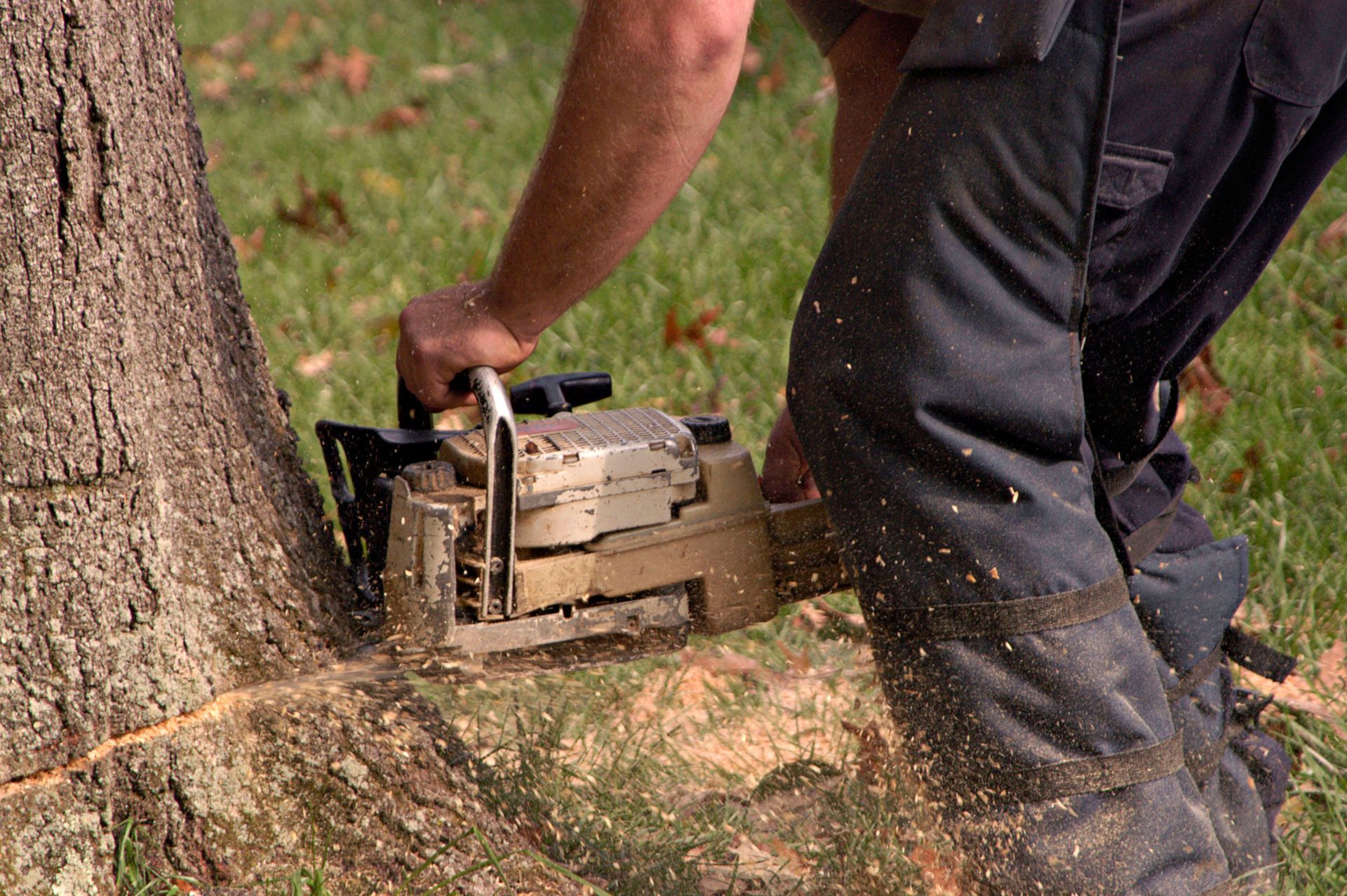
Equipping workers with proper machinery and personal protective equipment plays a paramount role in minimizing site hazards during timber removal. High-quality personal protective gear serves as the primary line of defense against flying debris, falling branches, kickback events, and sharp cutting tools. Chainsaw operators and ground crews must wear heavy-duty helmets with integrated face shields, steel-toe work boots, thick leather gloves, hearing protection, and specialized protective chaps designed to stop moving chainsaw chains instantly upon impact. Beyond personal safety gear, selecting appropriate machinery tailored to the scope of the project enhances overall operational efficiency. Chainsaws with adequate guide bar length, powerful stump grinders, heavy-duty brush chippers, and hydraulic clearing equipment streamline timber removal across dense acreage. Utilizing tree cutting techniques alongside well-maintained equipment ensures that operators maintain full control over every movement. Inspecting all machinery prior to deployment guarantees that saw chains are properly sharpened, fuel reservoirs remain full, chain tension is correctly adjusted, and emergency chain brakes operate flawlessly, effectively preventing equipment failures and unnecessary downtime during active clearing operations.
Establishing Secure Drop Zones
Creating clear drop zones and emergency escape routes constitutes a fundamental safety practice prior to initiating any timber removal task. Before making initial cuts into a trunk, operators must thoroughly clear the surrounding ground of brush, trip hazards, loose rocks, and low-hanging branches that could obstruct movement or snag clothing. Establishing two distinct escape paths extending diagonally backward from the planned direction of fall gives operators clear, unobstructed routes to reach safety once a trunk begins to shift and descend. Ground workers must maintain safe distances, typically staying at least twice the total height of the target specimen away from active work zones. Clear communication between heavy equipment operators and ground personnel ensures everyone stays fully informed about active work sectors, planned drops, and machinery movements. Implementing hand signals or two-way radios bridges noisy operational gaps, ensuring seamless coordination. Establishing rigorous site protocols prevents personnel from inadvertently entering dangerous fall paths during active timber removal, maintaining total environmental control throughout the workday.
Executing Strategic Cutting Techniques
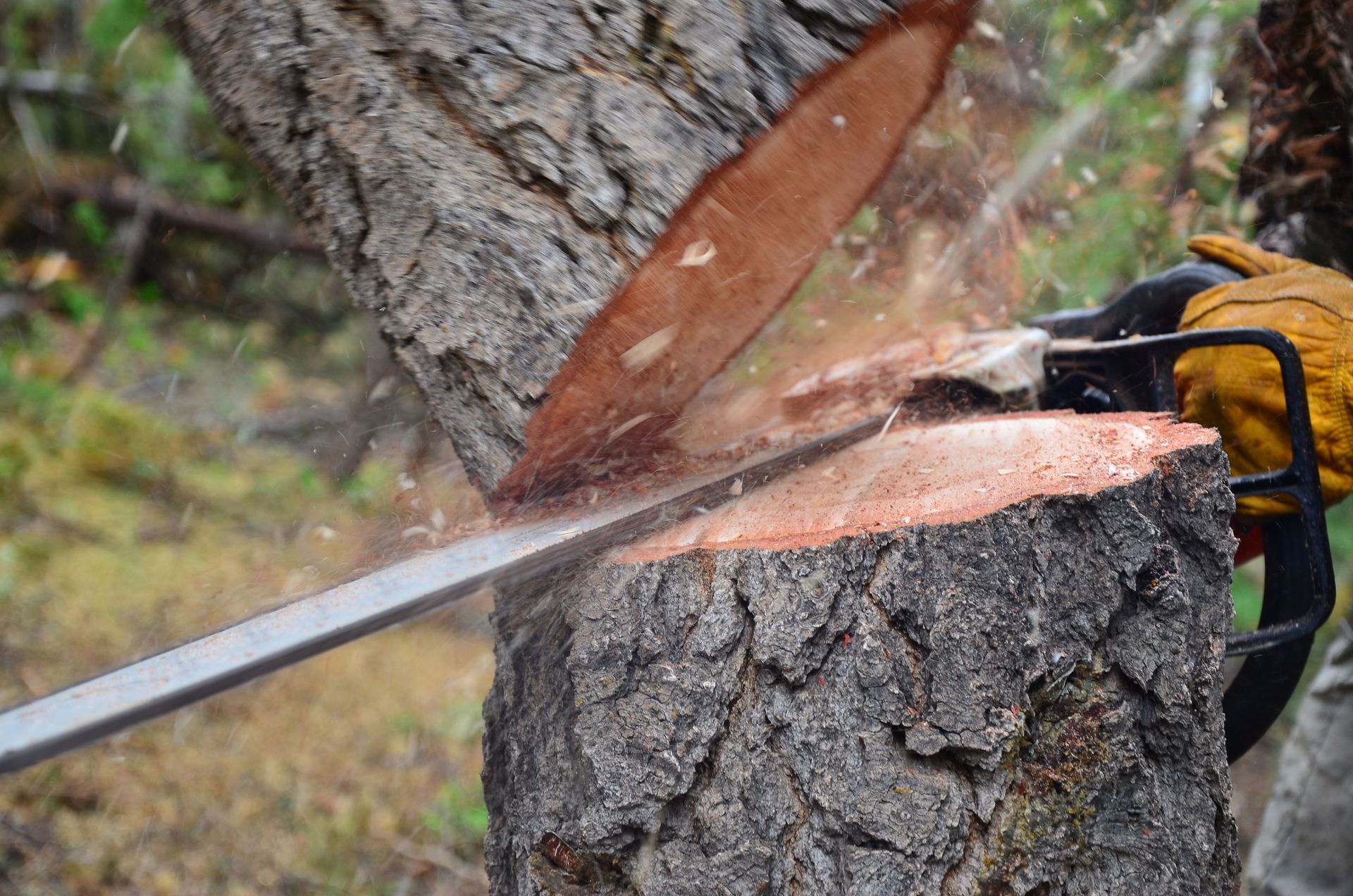
Mastering precise directional felling methods ensures that standing timber drops predictably into designated land areas, preventing collateral damage to nearby structures, utility lines, or remaining vegetation intended for preservation. Systematic tree cutting relies on creating a proper directional notch combined with a well-placed back cut. The directional notch, placed on the side of the trunk facing the desired fall trajectory, guides the trunk smoothly as gravity takes over. Once the notch is cleanly formed, operators execute a level back cut slightly above the notch hinge line on the opposite side of the trunk. Maintaining a solid, uniform wood hinge between the directional notch and the back cut acts as a flexible hinge, keeping the trunk aligned throughout its entire descent. Proper notch positioning, wedge insertion, and controlled execution eliminate unpredictable twisting, premature trunk splitting, or sudden butt-end kickback, allowing clearing crews to drop timber efficiently and safely. Mastering these directional felling fundamentals allows workers to navigate dense stands where space is restricted, ensuring each fallen trunk lands squarely within the predetermined work corridor.
Managing Stumps and Debris
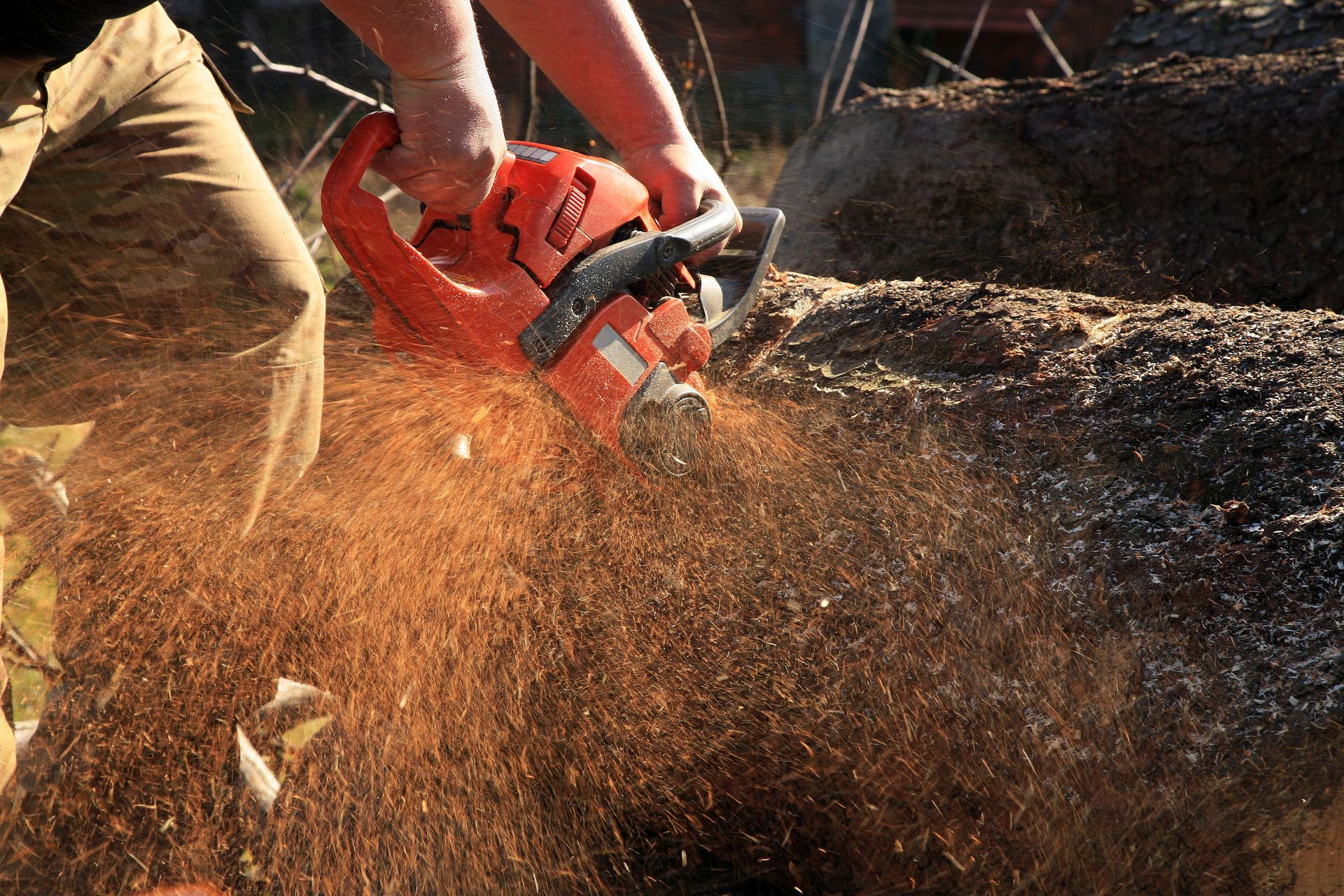
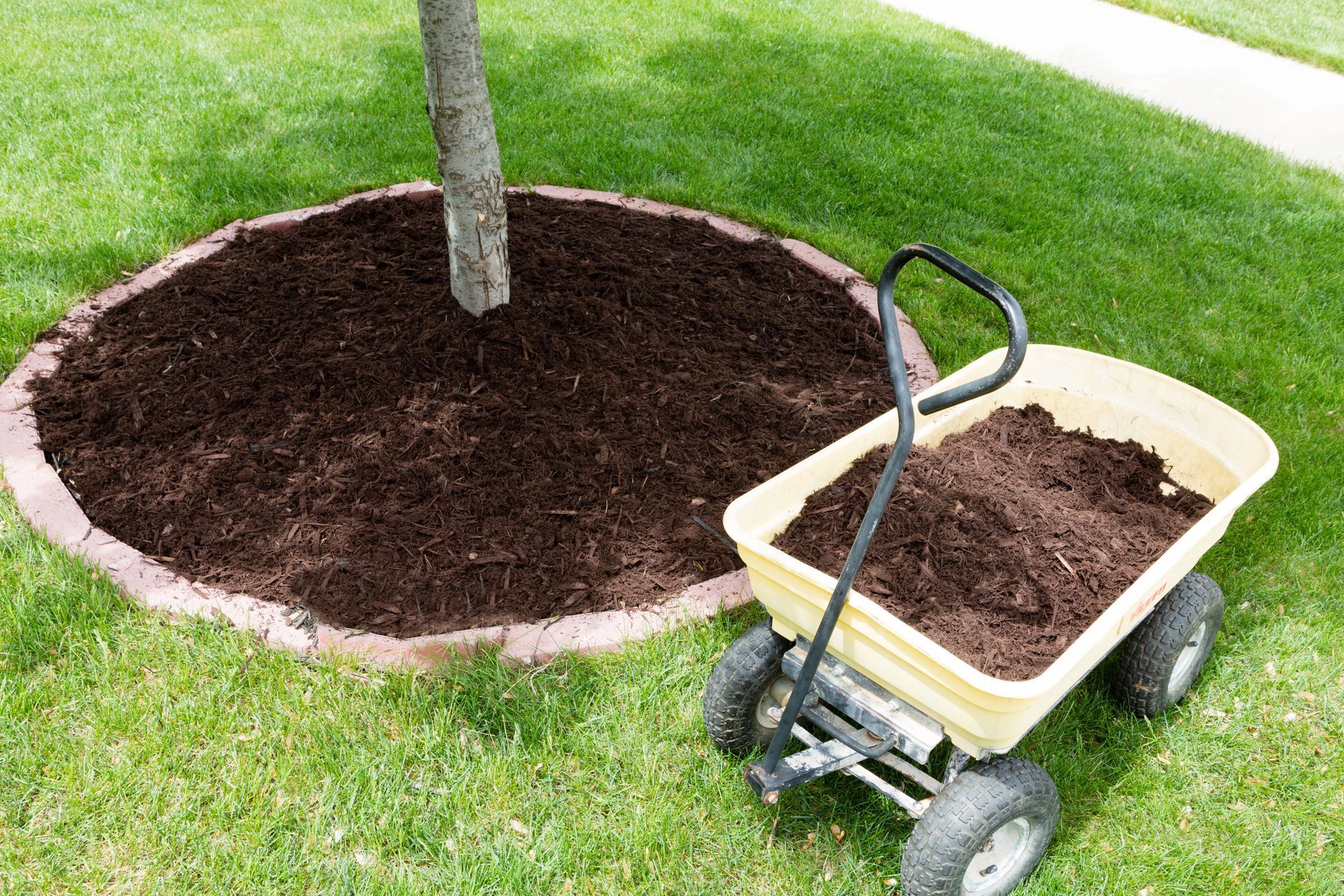
Clearing land extends far beyond simply felling heavy standing trunks; managing remaining stumps, limbs, and fallen timber debris completes the site preparation process. Once timber rests safely on the ground, systematic tree cutting transitions directly into limbing and bucking, where side branches are stripped away and long trunks are sectioned into manageable logs for transport or processing. Ground crews feed smaller branches and brush through industrial wood chippers, converting waste into useful mulch for erosion control or site stabilization. Addressing remaining stumps requires heavy excavation equipment or specialized stump grinding machinery to grind wood roots well below ground level, paving the way for future excavation, foundation digging, grading, or agricultural planting. Efficient debris processing prevents site clutter, reduces wildfire hazards, maintains smooth equipment mobility across cleared terrain, and leaves the property clean, level, and entirely ready for subsequent construction phases.
Promoting Long-Term Soil Health
Executing site clearance operations responsibly involves preserving surrounding topsoil and preventing unnecessary environmental degradation across the property. Heavy machinery movement, improper timber removal practices, and wholesale vegetation clearing can cause severe soil compaction, deep rutting, erosion, and disruption to localized natural drainage patterns. Utilizing strategic tree cutting schedules and designated machinery transport routes minimizes heavy equipment impacts across sensitive soil layers. Stacking processed logs and spreading wood mulch directly over exposed soil protects underlying earth from heavy rainfall erosion during early development stages. Furthermore, leaving select deep root systems intact along steep embankments or stream banks preserves ground stability until permanent erosion control structures or new groundcover vegetation are established. Balancing rapid timber clearance with conscientious land stewardship ensures that cleared property remains structurally sound, fertile, and ecologically balanced for long-term construction and land utility.
Transforming raw acreage into structured, usable space requires deep technical expertise, rigorous safety protocols, and meticulous planning from start to finish. From initial hazard assessments and specialized tool selection to directional felling execution and complete debris management, every single stage of site clearing demands absolute precision and focus. By utilizing proven industry methods, respecting natural site conditions, and prioritizing worker safety, property owners can successfully prepare land for any future residential, commercial, or agricultural project without incurring unnecessary risk, unexpected expenses, or project delays. When you need comprehensive, professional site preparation, timber clearing, and vegetation management, partner with experienced specialists who prioritize safety, efficiency, and land integrity from start to finish. Contact Great Alaska Tree Company today to discuss your land clearing goals and schedule an expert consultation for your property.